

September 16, 2023
Explore the Advantages of Buck and Boost Converter in Modern Electronics

Share
BuildWithFlux


A Buck converter serves as a step-down DC-DC converter, adept at transforming a higher input voltage to a lower, regulated output voltage (Vout). The core components include an inductor, a diode, a switch (commonly a MOSFET), and a capacitor. By modulating the pulse-width modulation (PWM) duty cycle of the MOSFET, the Buck converter fine-tunes the Vout.

In contrast to the Buck converter, a Boost converter acts as a step-up DC-DC converter. It elevates a lower input voltage to a higher Vout. The essential components—inductor, diode, MOSFET, and capacitor—are arranged differently to achieve this function.
For systems that require both step-up and step-down voltage regulation, Buck-Boost and Sepic (Single-Ended Primary Inductor Converter) converters offer a flexible solution. They can function as either a Buck or a Boost converter, depending on the input voltage and system demands.
Flyback converters are useful for applications requiring isolated outputs, while inverting converters can invert the polarity of the output voltage, expanding the range of potential applications.
Buck and Boost converters, as specialized DC-DC converters, have become irreplaceable in the realm of modern electronics. Using simple components and concepts, like inductors, capacitors, MOSFETs, and PWM control, Buck and Boost converters work miracles for power circuits. Their unique advantages in terms of efficiency, versatility, and compactness make them indispensable in shaping the future of power management solutions.
A Buck converter serves as a step-down DC-DC converter, adept at transforming a higher input voltage to a lower, regulated output voltage (Vout). The core components include an inductor, a diode, a switch (commonly a MOSFET), and a capacitor. By modulating the pulse-width modulation (PWM) duty cycle of the MOSFET, the Buck converter fine-tunes the Vout.
In contrast to the Buck converter, a Boost converter acts as a step-up DC-DC converter. It elevates a lower input voltage to a higher Vout. The essential components—inductor, diode, MOSFET, and capacitor—are arranged differently to achieve this function.
For systems that require both step-up and step-down voltage regulation, Buck-Boost and Sepic (Single-Ended Primary Inductor Converter) converters offer a flexible solution. They can function as either a Buck or a Boost converter, depending on the input voltage and system demands.
Flyback converters are useful for applications requiring isolated outputs, while inverting converters can invert the polarity of the output voltage, expanding the range of potential applications.
Buck and Boost converters, as specialized DC-DC converters, have become irreplaceable in the realm of modern electronics. Using simple components and concepts, like inductors, capacitors, MOSFETs, and PWM control, Buck and Boost converters work miracles for power circuits. Their unique advantages in terms of efficiency, versatility, and compactness make them indispensable in shaping the future of power management solutions.


Fast charging has come a long way—and one of the most advanced technologies in this space is Programmable Power Supply (PPS). If you’ve ever wondered why your device charges faster with some cables and adapters than others, PPS might be the answer.

One of the key components of PCBs are vias, which are tiny pathways that allow electrical signals to travel from one layer of the board to another. Vias are a staple of PCB design.

Copilot new access to Flux’s live pricing and availability tools so that it can do the supply chain and cost analysis for you. Read on to learn about how we’re leveraging AI to give you the power of an entire supply-chain team right at your fingertips.

Discover how CAD Librarians can leverage Flux’s key capabilities—AI Part Imports, Component Updates, Live Pricing, and JEP30 Export—each tailored to meet the specific demands of maintaining PCB libraries.

In this article, we will provide a comprehensive guide to the Raspberry Pi pinout diagram, including a description of each pin and its functions.

Think you're familiar with the push button and its symbol? Prepare to be surprised! Join us in our latest blog post where we unravel the intricate science behind every press, click, and circuit, revealing the complexities hidden in the simplicity of a push button switch.
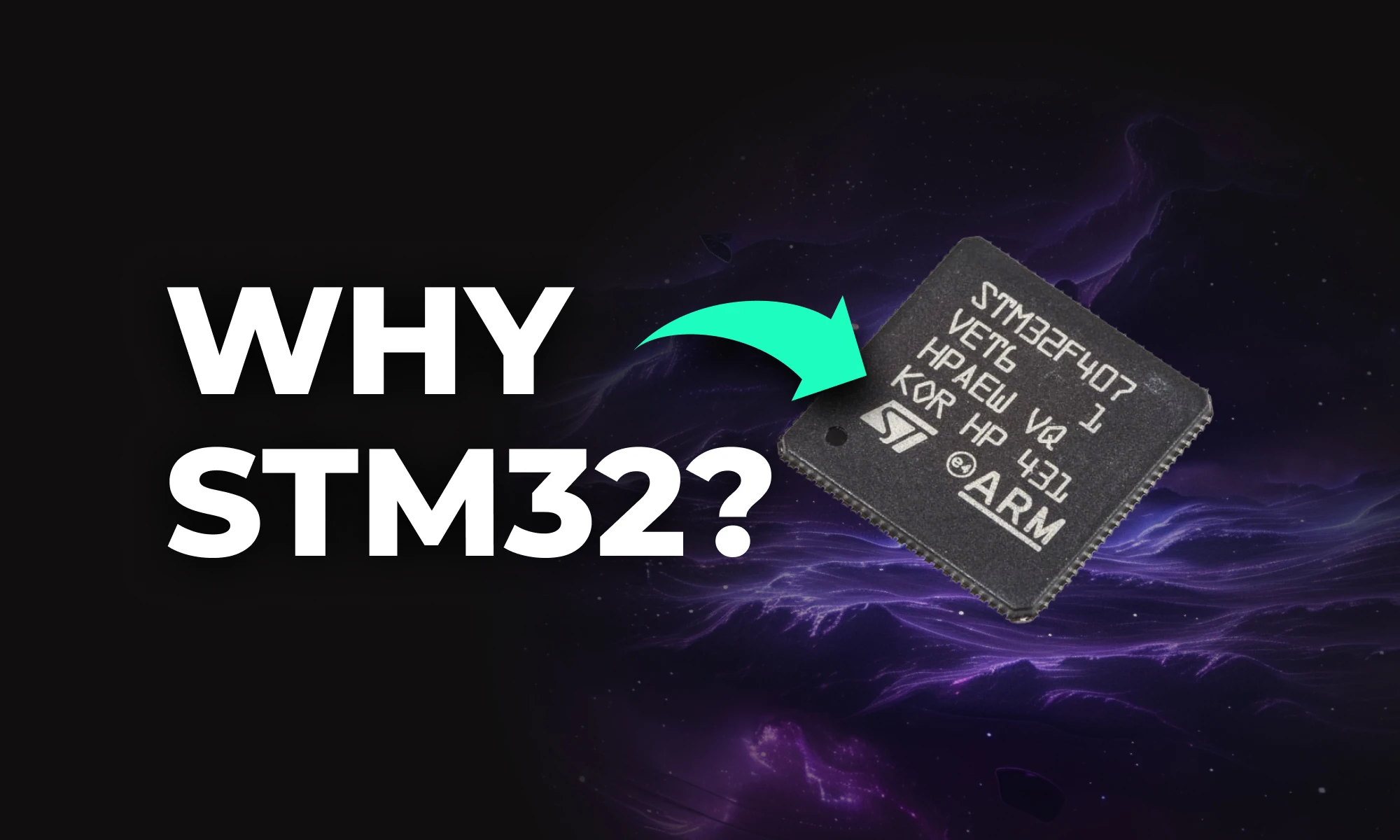
Learn about STM32 microcontrollers, popular series, USB OTG, SWD, UART, and development tools. Find the right STM32 MCU and kickstart your projects.

CO2 sensors monitor air quality, helping prevent cognitive decline from high CO2 levels. They use various technologies for accuracy in different settings. These sensors are vital for health, efficiency, and safety.
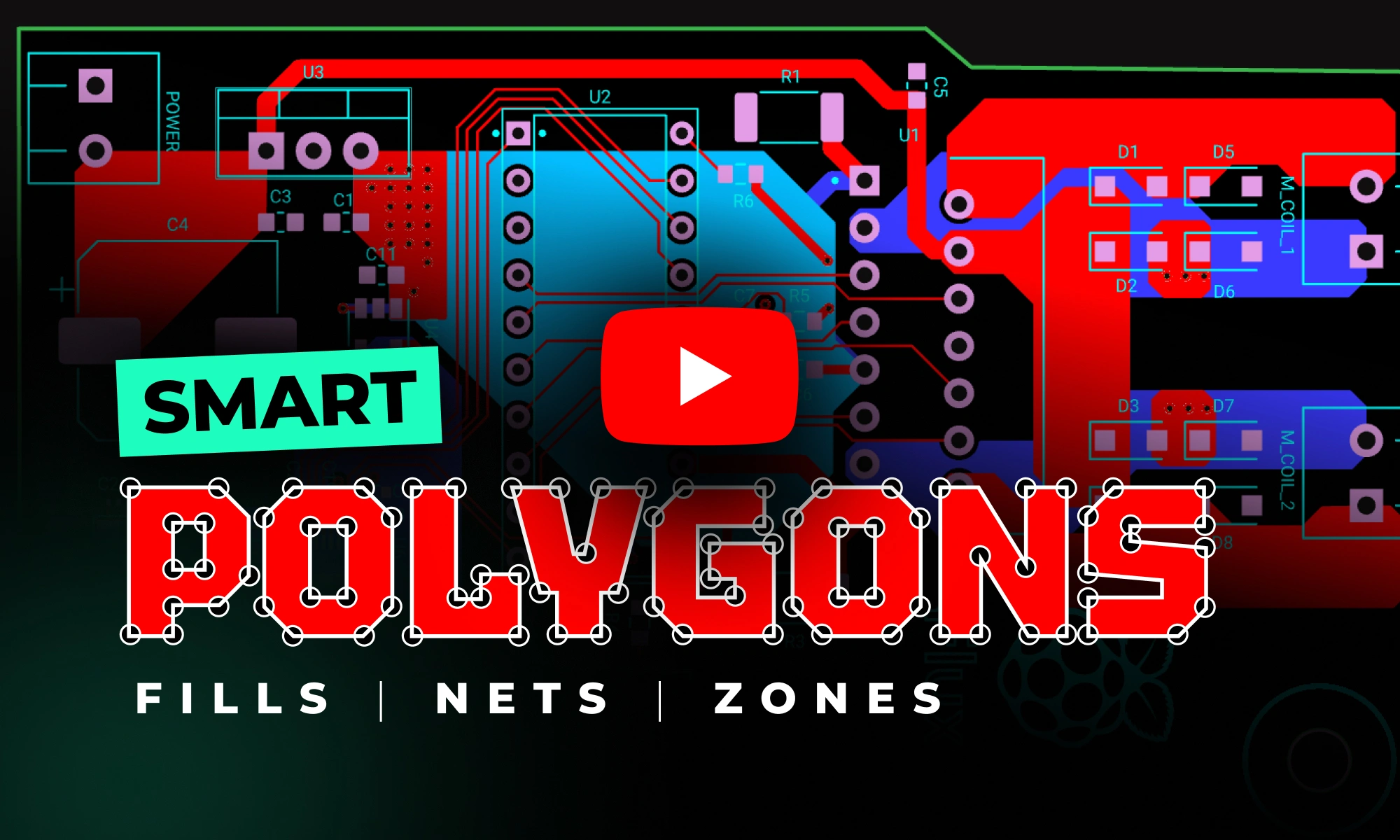
We're excited to unveil our Smart Polygon system in Flux! This powerful capability builds on top of our automatic copper fills to transform how you create and manage custom copper areas in your PCB designs.


Despite newer technologies like USB and Ethernet, RS232 remains widely used due to its simplicity and broad compatibility. It's crucial in industries, scientific instruments, networking gear, and legacy computers. This protocol's reliability makes it the go-to for many applications. In this blog, we'll explore why RS232 continues to be relevant in our tech-savvy world.

This blog post highlights a series of innovative reference designs developed by renowned manufacturers using Flux. These reference designs encompass a variety of applications, including advanced light sensing, robust data communication, and compact distance measurement. This diverse array showcases the adaptability and effectiveness of Flux in meeting the varied needs of industrial sensing applications
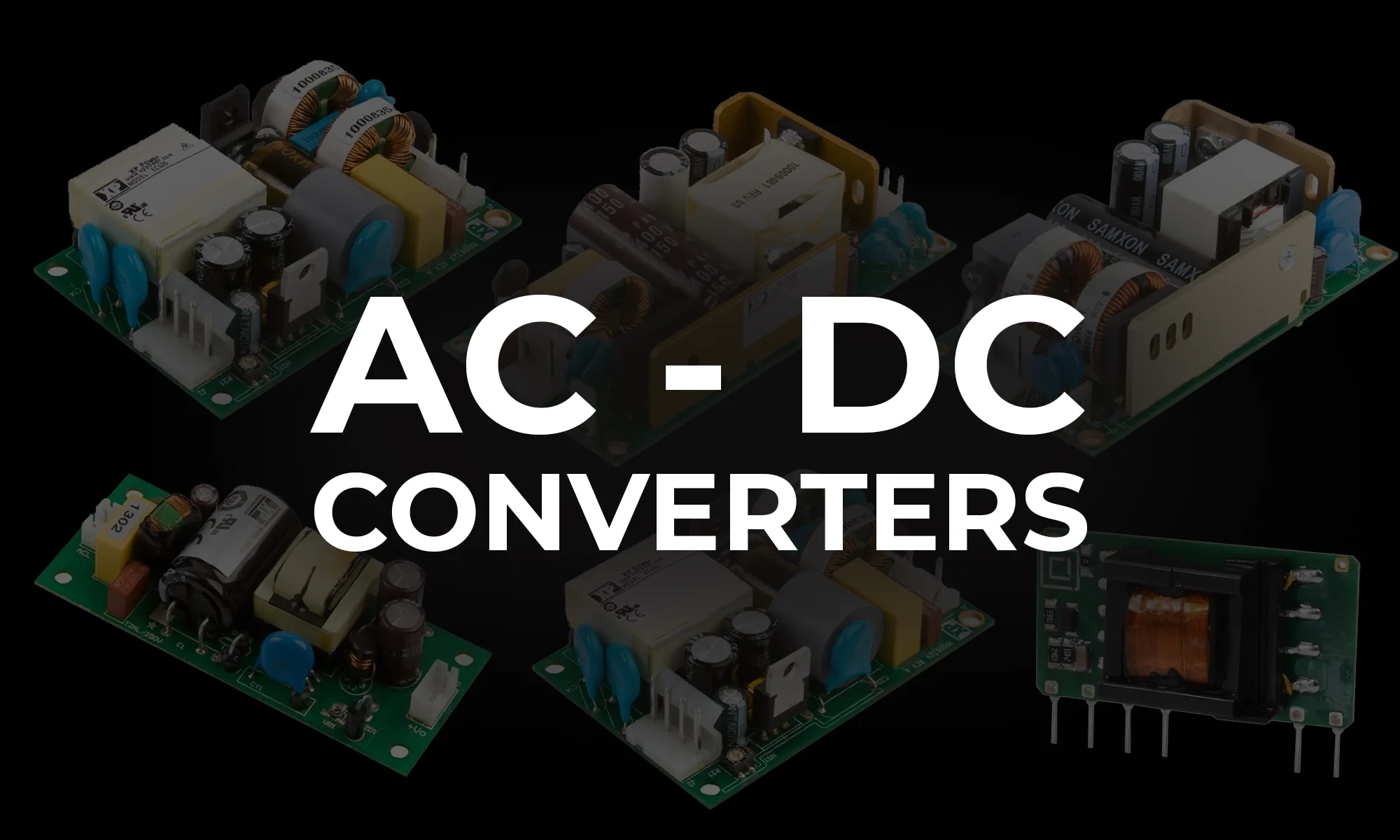
Explore the mechanics of converting AC to DC in this comprehensive blog post. The article covers everything from the role of transformers in adjusting voltage levels to the function of bridge rectifiers and capacitors in shaping the waveform.


